
City of Toronto
Water Damage Restoration in Toronto
Water damage in Toronto homes and condos: burst or frozen pipes, failed appliance supply lines, leaks from the unit above, flat-roof and window leaks, and water that reaches finished basements. For water damage calls, we stabilize the damage, document the loss, and map the cleanup and repair path before small issues spread.
Free Assessment
Request emergency service
Active emergencies get priority routing. Calling is fastest when water is spreading or the structure is open.
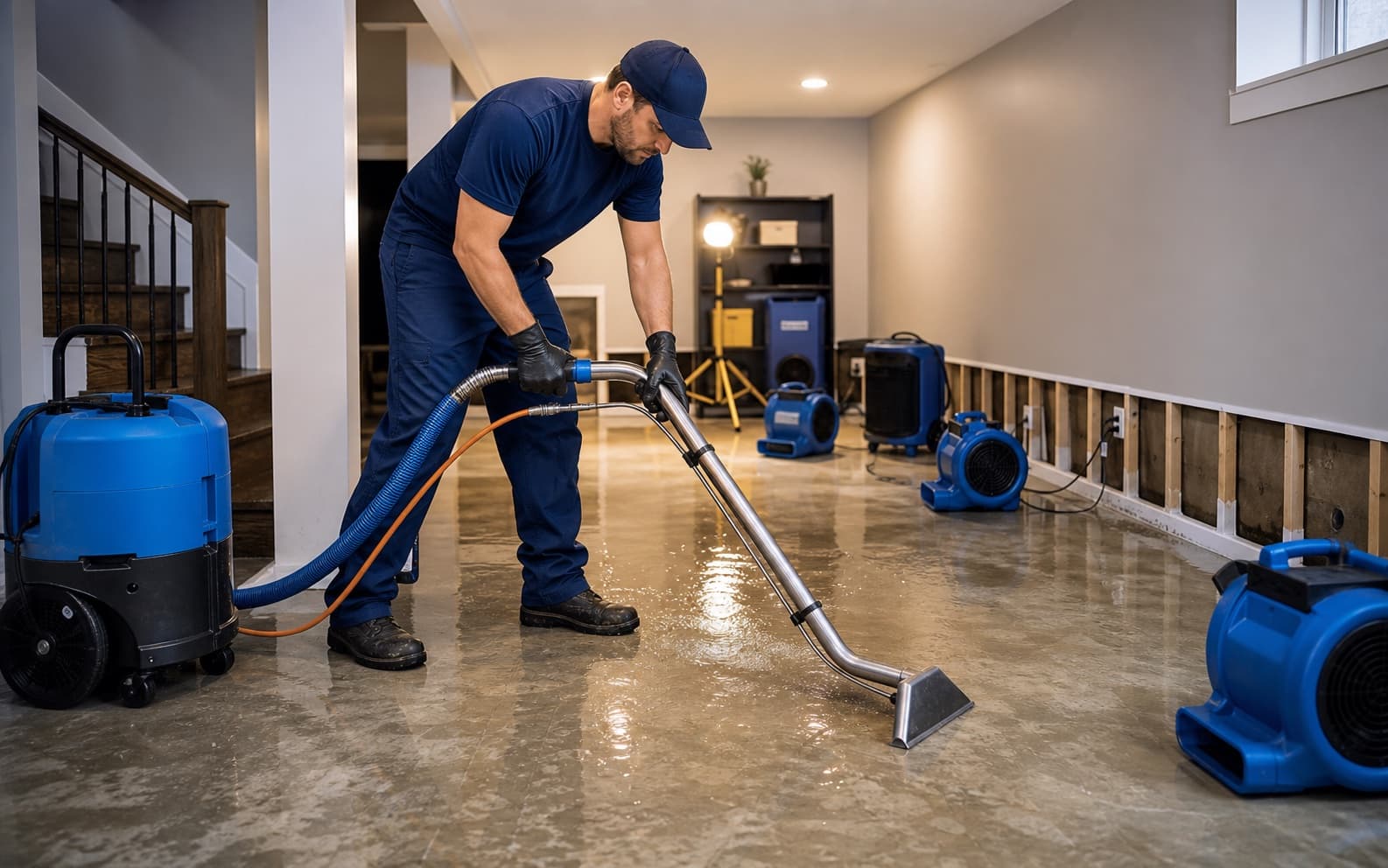
Background image: service illustration, not a customer project.
Local emergency scope
What water damage service in Toronto includes.
Rapid water extraction, structural drying, moisture mapping, antimicrobial treatment, and rebuild support for burst pipes, floods, leaks, and sewer backups. In Toronto, the most important first step is controlling the source, separating damaged materials from clean areas, and building a clear record of what happened so the restoration can move without confusion.
Response process
A practical plan for Toronto properties.
Condos, townhomes, detached houses, and commercial spaces need different access, communication, and documentation. Our process keeps the emergency work organized from dispatch to final cleaning.
- 01Emergency inspection and moisture mapping
- 02Water extraction with commercial equipment
- 03Targeted drying with air movers and dehumidifiers
- 04Daily moisture monitoring and documentation
- 05Antimicrobial treatment where needed
- 06Repair scope and rebuild coordination
Local loss planning
Water Damage risks and access in Toronto
Toronto losses often involve stacked condo units, older semis with shared walls, finished basements, flat roofs, and mixed-use buildings where access and neighbour communication affect the response plan.
Common calls include supply-line leaks in condos, drain backups during intense rain, frozen pipes in older housing stock, roof leaks, and smoke migration between attached units.
Condo management, elevator booking, parking, shut-off access, and building rules are confirmed during dispatch whenever they apply.
Toronto water losses
Toronto situations that change the water damage plan
Condo leaks that travel between units
In a condo, water from a failed supply line, toilet, dishwasher, or washing machine often runs through the ceiling and walls of the unit below before anyone sees it. Tell the property manager or superintendent right away: building staff may need to isolate a riser or open another unit to find the source.
Photograph where the water appears in each affected unit and keep a note of who was told and when. Responsibility between owners and the corporation depends on the condo declaration and the corporation's insurance; restoration records describe the conditions and work, not who pays.
Frozen and burst pipes in older houses
Older semis, rowhouses, and houses with pipes along exterior walls or in unheated spaces are vulnerable during cold snaps. The City of Toronto advises residents to contact a plumber about pipes that are prone to freezing, and after thawing a pipe to turn the water back on slowly and check for cracks and leaks.
A pipe can split while frozen and only leak once it thaws, so a frozen line is worth watching closely for water at ceilings, walls, and baseboards nearby.
Shared walls in semis and rowhouses
Water in one half of a semi or rowhouse can wick into the party wall and flooring at the neighbour's side. When the source is near a shared wall, moisture checks on both sides (with the neighbour's permission) show how far the water actually travelled.
Water in the basement after heavy rain
Basement water after a storm can be groundwater, overland water, or a sewer backup, and each is handled differently. The City asks residents to report basement or sewer flooding through 311. Our Toronto flooded basement guide covers that situation in detail.
Water Damage questions in Toronto
- Who should I call first: a plumber, 311, or a restoration company?
- Stop or isolate the water first if it is safe. A plumber repairs the pipe or fixture, 311 handles City water and sewer issues, and a restoration company extracts water, dries the structure, and documents the damage. Several may be needed on the same loss.
- Water is coming through my condo ceiling from the unit above. What now?
- Notify building management immediately so they can reach the unit above and shut off the source. Keep people away from wet ceilings and light fixtures, move belongings out of the drip path, and take photos before cleanup.
- Is a wet basement handled the same way as a leak upstairs?
- Not always. Rain, groundwater, and sewage in a basement call for different precautions than a clean supply-line leak. See the flooded basement cleanup page for basement-specific steps.
Sources: City of Toronto: water-related help and advice; City of Toronto: basement flooding. Program details and eligibility can change; check the official page before relying on them.
Why call Restoration GTA for water damage in Toronto?
24/7 dispatch
Need water damage restoration in Toronto today?
Call dispatch or send the assessment form. Active emergencies get priority routing.